
NYC Private Transportation
What Should Travelers Know About Car Service from New York to Boston?
Planning a car service from New York to Boston? Here is what the drive involves, what flat-rate pricing covers, and how to pick the right vehicle.
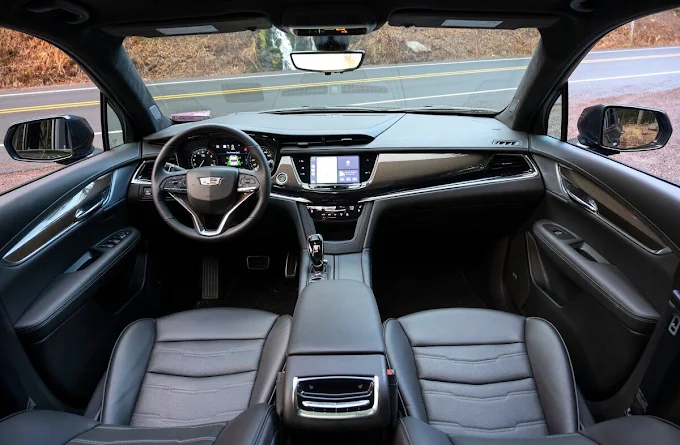
The drive from New York to Boston runs roughly 215 to 220 miles along Interstate 95, and in light traffic it takes about four hours.
That figure moves quickly once congestion around New York, New Haven, and Boston enters the picture, with five to six hours being common during weekday peaks. Those numbers reflect general driving conditions on the corridor rather than a guaranteed arrival time.
Booking a chauffeur for a trip this length is a different decision from booking a short airport run. The route crosses several states and multiple toll points, the vehicle choice has real consequences over four hours, and the pricing structure matters more than it does on a twenty-minute transfer.
Our nationwide and worldwide transportation covers city-to-city trips like this one alongside shorter local work.
How Long the Drive Takes and What Affects It
Four hours is the realistic baseline on a clear run. Departure timing changes that more than anything else, since the stretch leaving New York and the approach into Boston both sit inside metropolitan traffic patterns. An early morning departure out of Manhattan behaves very differently from one at five in the afternoon, and the same applies in reverse on the return leg.
Weather is the other variable worth planning around. Winter conditions through Connecticut and Massachusetts can add hours to a trip that would otherwise run clean, and the corridor is prone to construction slowdowns outside peak periods.
Building buffer into the schedule is more useful than assuming the fastest case, particularly when the trip ends at a meeting, a wedding, or a flight connection.
What Flat Rate Pricing Covers on a Long Distance Trip
Toll costs are the part travelers most often overlook on this route. Our pricing is flat rate, and the quote includes fare, fees, taxes, tolls, and gratuity, confirmed by email before the trip begins. No fuel charge or toll charge is added afterward, so the figure agreed at booking is the figure paid regardless of which crossings the route uses.
A 20 percent gratuity is included in that quote and is refundable if the service does not meet what we committed to. Passengers who would rather handle gratuity in person can ask for it to be left out of the advance quote.
On nationwide trips, we also work without hourly minimums, which matters on a one-way city-to-city run where a minimum booking block would add cost for no benefit. Our notes on hiring a car for long trips cover the rest of what changes at this distance.
Choosing a Vehicle for Four Hours on the Road
Vehicle choice stops being cosmetic on a trip this long. A sedan that feels fine for a thirty-minute airport run can feel tight after three hours with luggage. Our sedans carry up to 3 passengers with 3 suitcases, while SUVs take up to 6 passengers with 6 suitcases, which is usually the sensible floor for two or more travelers with checked bags.
Larger parties have more room to work with. The Jet Sprinter seats up to 8 passengers with space for 10 suitcases and gives each person the most personal space in the Sprinter range, which suits a long haul better than a configuration built for short local runs.

The Executive Sprinter seats up to 14 with matching luggage capacity. Every vehicle carries a free in-car WiFi hotspot, which makes the four hours usable rather than lost.
Planning Round Trips and Overnight Stays
Most Boston trips are not one-way. Teams travel up for a meeting and return the same evening, families go for a weekend, and wedding parties book both directions weeks ahead. The same chauffeur typically handles both legs of a round trip, so the return does not involve re-explaining pickup arrangements to someone new.
For overnight or multi-day stays, the usual choice is between booking two separate point-to-point trips or keeping the vehicle and chauffeur available by the hour on the ground. Point-to-point works when the plan is fixed, and the group has no local travel in between.
By the hour makes more sense when there are several stops in Boston before the return. Our guide to booking interstate limo transfers walks through how those bookings are structured.
What to Confirm Before You Book
A handful of details settle the shape of a Boston trip, and all of them are easier to agree on in advance than on the morning of travel. Getting them wrong tends to cost either time at the curb or money that was never in the original plan. These are the ones worth raising when you request the quote.
- Departure time, since the difference between an early start and a peak hour start can be two hours of travel
- Passenger and bag count, which decides whether a sedan, SUV, or Sprinter is the right fit
- Whether the booking is one way, round trip, or by the hour once in Boston
- Child car seats, which we provide free in forward-facing, rear-facing, and booster types and fit before pickup
- The cancellation window, which is 24 hours for sedans and SUVs and 48 hours for Sprinters, stretch limos, and buses
Bookings can be placed online, by phone, or by email, and no account is required. Every chauffeur has passed background screening and drug and alcohol testing, and we carry commercial insurance covering passengers and chauffeurs.
Vehicles are smoke-free with no alcohol permitted on board, which is worth telling a group before a long trip rather than at the curb.
Related Topics:
More Posts
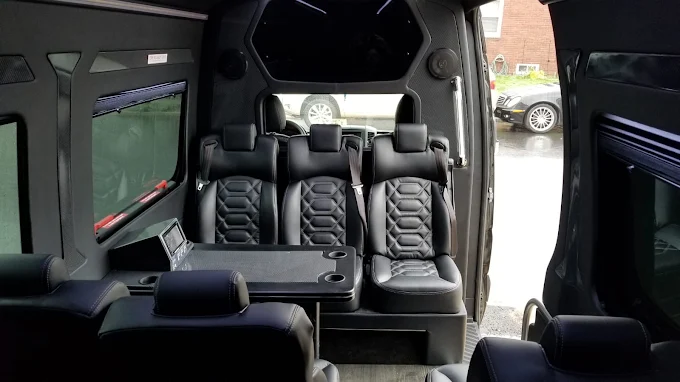
How Can Sprinter Transportation in New York Make Group Travel More Convenient?
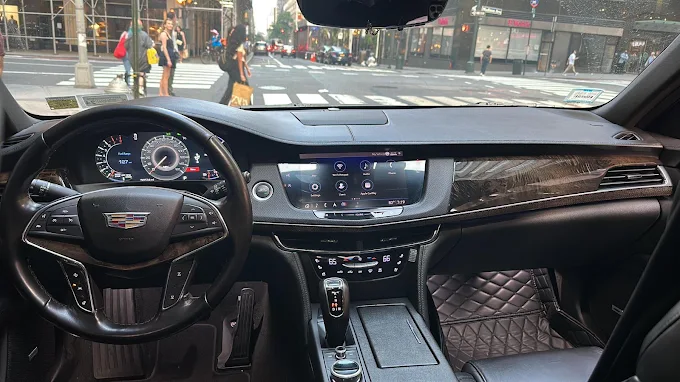
How Long Does a Car Service from New York to Washington, DC Take?
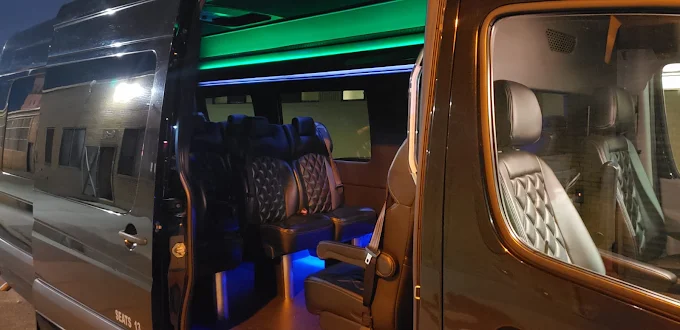
How Can Sprinter Transportation in New York Simplify Corporate Group Travel?

Ready When You Are
Tell us your pickup time, passenger count, and luggage, and we will confirm a flat rate and the right vehicle before the day of the trip.