
NYC Private Transportation
How Long Does a Car Service from New York to Washington, DC Take?
A car service from New York to Washington, DC usually takes four to five hours. Here is what changes that, and what a flat rate covers.
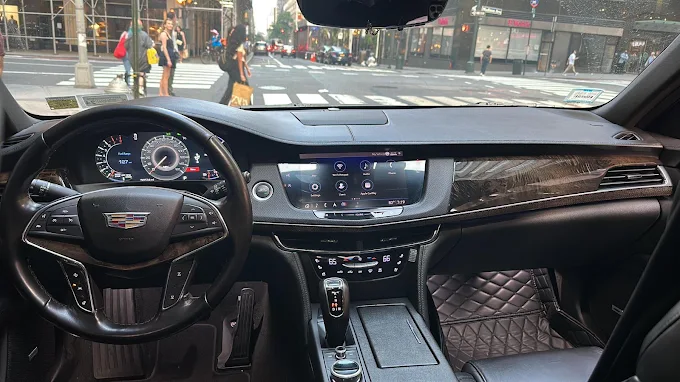
A car service from New York to Washington, DC usually takes four to five hours, covering roughly 225 to 235 miles along Interstate 95. Light traffic and an off-peak departure can bring that closer to four.
Weekday congestion leaving New York or arriving into Washington can push it past five. Those ranges describe general driving conditions on the corridor rather than a fixed arrival time.
The corridor is one of the busiest stretches of highway in the country, which is why the spread between the fastest and slowest version of the same trip is so wide. Planning around that spread matters more than chasing the shortest possible time. Our nationwide car service coverage handles this route alongside other city-to-city work out of New York.
Typical Drive Time From New York to Washington
The four- to five-hour window assumes a direct run on Interstate 95 with normal stops. A nonstop drive in genuinely clear conditions sits at the lower end of that, while the realistic planning figure for most travelers is closer to five hours once a comfort stop and the approach into either city are accounted for.
Pickup and drop-off points shift the number too. A trip starting in Lower Manhattan and ending near Capitol Hill is a different drive from one starting in Westchester and ending in northern Virginia, and the difference can be forty minutes in either direction. We confirm the route and timing against your actual addresses at booking rather than working from a city-to-city average.
Conditions That Add Time to the Trip
Several things reliably stretch this drive, and most of them are predictable enough to plan around rather than react to. None of them are unusual on this corridor, which is why an experienced chauffeur builds them into the departure time instead of hoping for a clear run. These are the ones that move the number most.
- Weekday rush hours at either end, which affect the first and last hour of the trip most
- Construction and lane closures along the corridor, common outside peak periods as well as during them
- Holiday weekends, when the corridor carries heavy volume in both directions
- Winter weather through New Jersey, Delaware, and Maryland
- The specific pickup and drop-off addresses, which can add or remove meaningful mileage
None of these make the trip unpredictable so much as they reward an honest departure time. A meeting at eleven in Washington is a very different booking from a meeting at nine, and the gap is usually absorbed by leaving earlier rather than by driving faster.
How Departure Timing Changes Your Arrival
Early morning departures out of New York consistently produce the cleanest runs, because the heaviest traffic is moving into the city rather than out of it. Travelers with a mid-morning commitment in Washington usually benefit from leaving well before the city wakes up, even though it means an earlier start than feels comfortable.
Evening returns need the opposite kind of planning. Leaving Washington at the end of a business day puts the vehicle into congestion at both ends of the trip. Pushing the departure later often costs less time than leaving in the middle of it.

We dispatch 24/7, so an overnight or very early return is a normal booking rather than a special arrangement, and our notes on point-to-point limo service explain how single-run bookings like these are structured.
What a Flat Rate Covers on a Route This Long
Tolls stack up on this corridor, and they are the usual source of surprise on a long-distance quote. Our pricing is flat rate, and the figure covers fare, fees, taxes, tolls, and gratuity, confirmed by email before the trip. Nothing for fuel or tolls is added afterward, whatever route conditions force on the day.
A 20 percent gratuity is included in the quoted price and is refundable if the service falls short of what we committed to. Travelers who prefer to handle gratuity themselves can ask for it to be left out of the advance quote.
On nationwide bookings, there are no hourly minimums, which keeps a one-way run priced as a one-way run. Vehicles range from sedans carrying 3 passengers up to Sprinters carrying 14, all with free in-car WiFi, which turns four or five hours into working time rather than lost time.
Comparing a Car Service With Other Ways to Make the Trip
Rail covers the same route faster on paper, and flying is quicker still before airport time is counted. Both involve getting to a station or terminal, waiting, and then arranging transportation at the other end, which is where the time advantage narrows.
For a traveler whose real start and end points are a home address and an office address, the door-to-door comparison is closer than the headline numbers suggest.
A car service makes most sense when the group is larger than two, when luggage is involved, when the schedule needs to flex, or when the time in transit is worth something.
Our chauffeurs pass background screening and drug and alcohol testing before working with passengers, and we carry commercial insurance covering passengers and chauffeurs. Our piece on luxury transportation versus standard car service sets out where that difference shows up on a longer run.
Related Topics:
More Posts
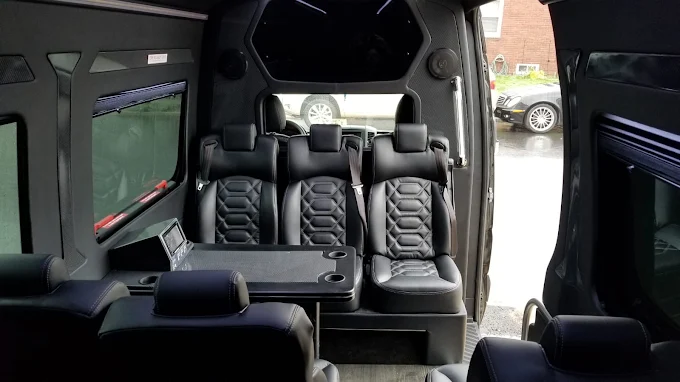
How Can Sprinter Transportation in New York Make Group Travel More Convenient?
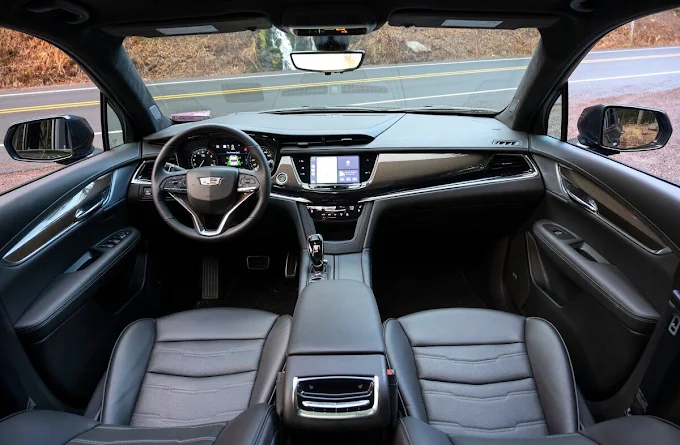
What Should Travelers Know About Car Service from New York to Boston?
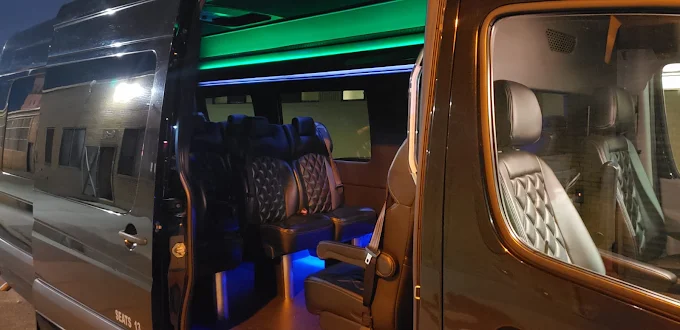
How Can Sprinter Transportation in New York Simplify Corporate Group Travel?

Ready When You Are
Tell us your pickup time, passenger count, and luggage, and we will confirm a flat rate and the right vehicle before the day of the trip.